The skincare world loves a dramatic promise. “Erase wrinkles!” “Turn back time!” Meanwhile your skin mostly wants two unsexy, practical things: a strong barrier and steady hydration. When those are missing, skin looks dull, feels tight, and fine lines suddenly appear like they’ve been invited to the party.
Argan oil often performs surprisingly well here, and not just because it’s trendy. There are human studies showing improvements in skin hydration, barrier function, and elasticity, particularly in postmenopausal skin.
This article keeps it factual, including where argan oil shines and where other ingredients still have the stronger evidence.
What “anti-ageing” really means in practice
A lot of what people describe as “ageing skin” is actually a mix of:
- Dehydration (fine lines look deeper when skin is dry)
- Barrier impairment (more water loss, more irritation, rougher texture)
- Loss of elasticity (skin doesn’t “bounce back” as easily)
- Photoageing from UV exposure (wrinkles, discoloration)
If you improve barrier function and hydration, you can make skin look smoother and fresher even without “changing” deep wrinkles.
The science behind argan oil’s skin benefits
1) It supports the skin barrier (and that matters more than most people think)
Researchers often measure barrier function using transepidermal water loss (TEWL), which is essentially how much water escapes through the outer skin layer. TEWL is widely used as an objective measure of skin barrier integrity.
In a controlled study in postmenopausal women, both topical application and daily consumption of argan oil were associated with:
- lower TEWL (less water escaping)
- higher skin water content (better hydration)
Translation: argan oil didn’t just feel nice, it improved measurable markers linked to smoother-looking skin.
2) It can improve elasticity (a key “youthful skin” marker)
A separate study, also in postmenopausal women, evaluated skin elasticity with non-invasive measurements and found improvements in elasticity parameters with dietary and/or topical argan oil use.
Elasticity improvements often show up as skin that looks less “crepey” and more resilient, especially in dry or mature skin.
Why it can be “better than many well-known skincare products”
Here’s the quiet truth: a huge number of mainstream “anti-ageing” products are either:
- A) Mostly a basic moisturizer wearing expensive packaging
Many products deliver their main visible effect by improving hydration temporarily. Argan oil is a strong emollient, and the studies above show it can improve barrier metrics (TEWL) and skin hydration.
So if a famous cream’s real-world effect is “my skin feels softer and looks a bit plumper,” a good-quality argan oil routine can absolutely compete.
- B) Too harsh or complicated for consistent use
Overdoing acids, scrubs, or strong actives can impair the barrier and increase dryness, which makes skin look older fast. A barrier-supportive approach often gives better day-to-day results than a complicated routine you can’t tolerate.
- C) Heavy on claims, light on clinical proof
Many “hero” ingredients in over-the-counter products have limited or inconsistent evidence depending on concentration and formulation. Argan oil, at least, has direct human data for hydration/barrier support and elasticity in a defined group.
Where argan oil is not a replacement
If we’re talking about true photoageing (UV-driven wrinkles and pigment changes), the best-supported topicals still include:
- Daily sunscreen (the single most effective prevention tool)
- Topical retinoids (especially tretinoin), which have strong evidence for improving signs of photoageing in clinical studies and reviews
Argan oil can be an excellent supportive step (comfort, hydration, barrier), but it’s not the same category as prescription retinoids for established sun damage.
How to use argan oil for anti-ageing benefits
Goal: maximize hydration and barrier support without clogging or greasiness.
- When: after cleansing, while skin is slightly damp
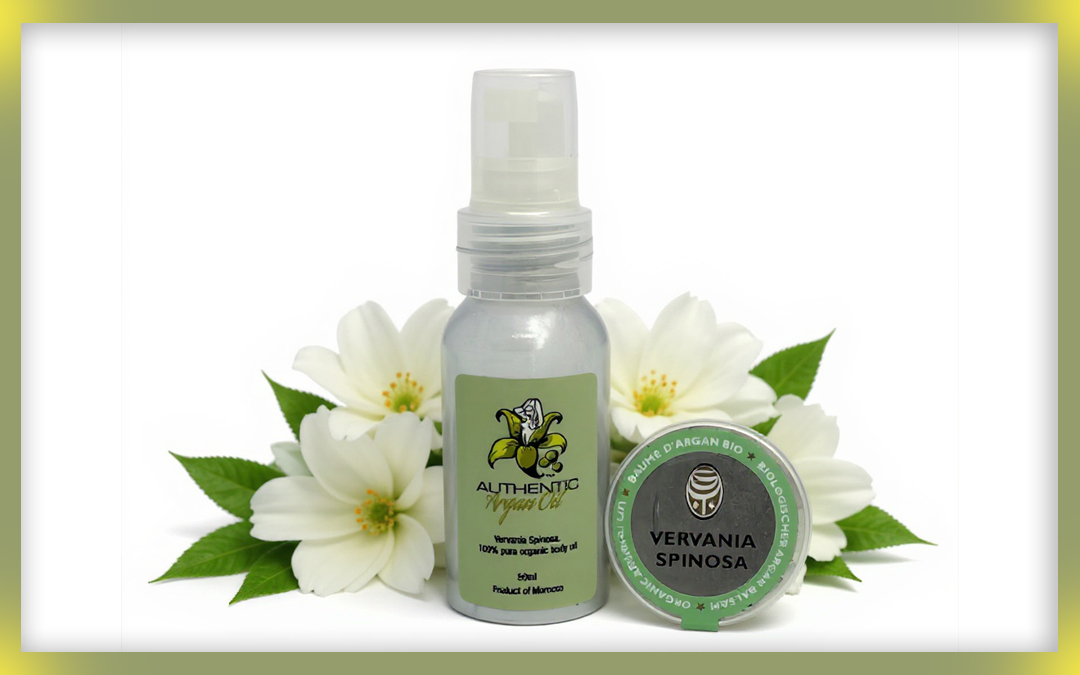
- How much: start with 2–4 sprays for face and neck
- Layering:
- AM: cleanser → argan oil (thin layer) → sunscreen
- PM: cleanser → argan oil
If you use actives (retinoids, exfoliants), argan oil can help reduce dryness and improve comfort. Patch test first if you’re sensitive.
Who tends to love it most
Argan oil often performs best for:
- Dry or dehydrated skin
- Barrier-stressed skin (tightness, flaking, sensitivity)
- Mature/postmenopausal skin, where the hydration and elasticity data is strongest
Quick reality-check summary
Argan oil’s “anti-ageing” strength is not magic wrinkle erasure. It’s more like giving your skin a well-tailored coat:
better barrier + better hydration + improved elasticity = skin that looks smoother and more resilient.
That’s why it can outperform many famous products whose main benefit is hydration anyway, or that are too irritating to use consistently.
References (for the evidence above)
- Boucetta et al., Skin hydration in postmenopausal women: argan oil benefit with oral and/or topical use
- Boucetta et al., Effect of dietary and/or cosmetic argan oil on postmenopausal skin elasticity
- Reviews on TEWL as a barrier function measure
- Systematic review / clinical evidence for tretinoin in photoageing